Dental Bonding Near You
A small chip, gap or uneven edge can make a big difference to how you feel about your smile. Explore dental bonding at Hayden Charles Dental Care, near Bloor-Yonge, and discuss a personal approach to improving the tooth's appearance.
What is Dental Bonding?
Our team will listen to what you would like to change and explain how bonding compares with other options. Start with a consultation at our clinic at 25 Hayden Street.
Bonding is a simple way to refresh your smile without removing much of your natural tooth.
Is Dental Bonding Right for Teens and Adults?
Bonding is a safe option for both teens and adults who want to correct minor flaws. It is often chosen by students, working professionals, and parents who want a simple cosmetic upgrade.
If you are searching for dental bonding near you that fits your busy schedule, dental bonding offers a fast, practical solution.
How the Procedure Works
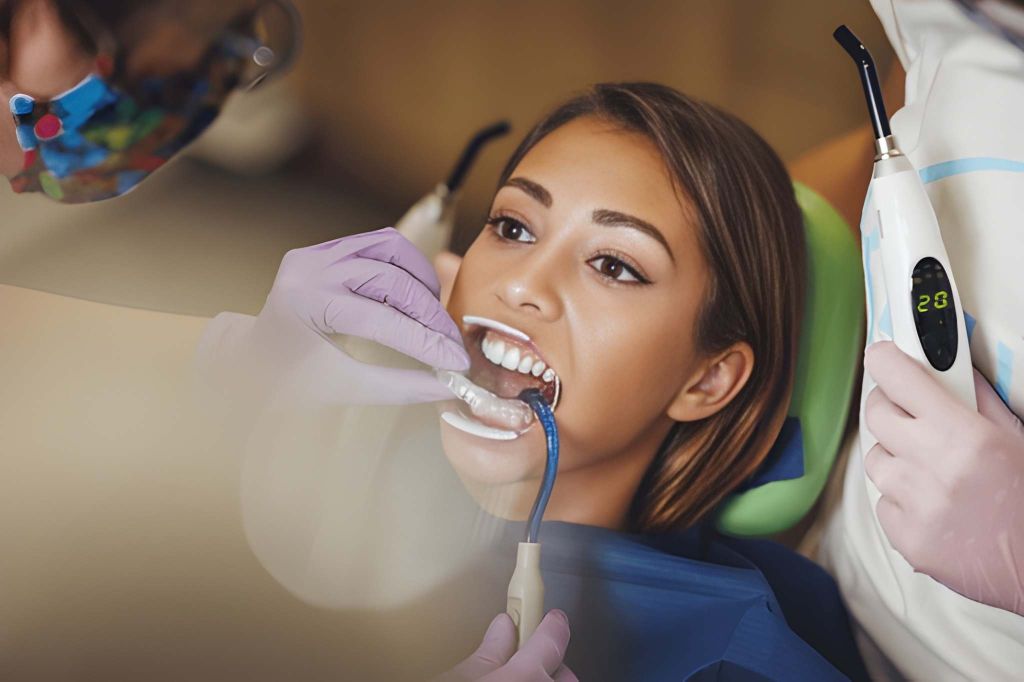
When you visit us for dental bonding in Midtown Toronto, the process is usually completed in one appointment.
Gentle Preparation
The tooth surface is lightly prepared to allow the bonding material to attach securely.
Shaping the Resin
A tooth-colored resin is carefully applied and shaped to address the concern.
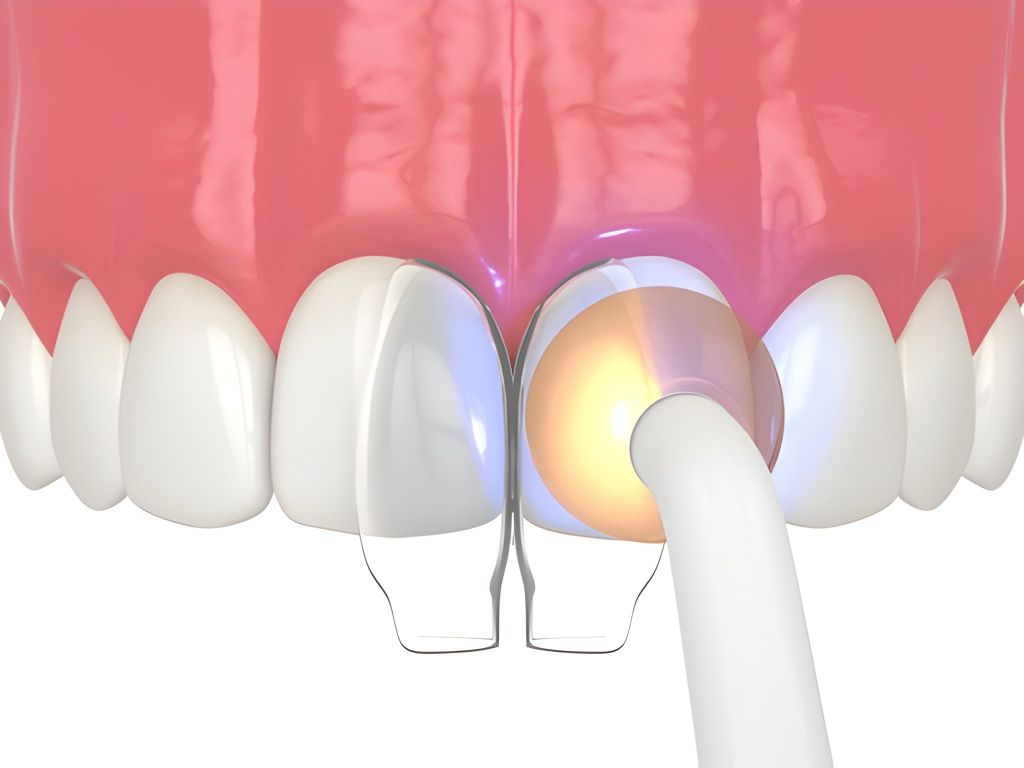
Hardening the Material
A special curing light hardens the resin in seconds.
Final Polish
The tooth is polished to match the shine and feel of your surrounding teeth.
Most patients do not need freezing unless bonding is being used to treat decay. The visit is comfortable and efficient.
Cosmetic and Functional Benefits
Dental bonding is more than a cosmetic procedure. It can also help to strengthen weak areas of the tooth. Patients choose dental bonding for several reasons:
It can improve the symmetry of a smile.
It can protect damaged enamel.
It can close small gaps between teeth.
It can boost confidence in social situations.
It requires minor alteration to the natural teeth.
When performed by a skilled dentist in Midtown Toronto, bonding looks natural and feels smooth.
How Long Does Dental Bonding Last?
With good care, bonding can last 3 to 10 years. Its lifespan depends on oral hygiene, eating habits, and whether you grind your teeth.
Regular check-ups with a dentist near you will help us monitor the bonded areas and make any necessary adjustments.
Caring for Bonded Teeth
Bonded teeth care is simple:
Brush your teeth twice a day.
Floss your teeth once a day.
Avoid biting complex objects.
Avoid drinking stain-causing liquids, especially after the treatment.
Use a night guard if you grind your teeth at night.
Good habits help maintain your results for years.
Why Trust Hayden Charles Dental Care With Your Smile?
Hayden Charles Dental Care offers Comprehensive Family Dental Care in a welcoming setting. We are accepting new patients and proudly accept CDCP. We also accept dental insurance and the University student dental program.
Our clinic uses the latest dental technology to deliver precise, comfortable treatment. Whether you require aesthetic enhancements or simply routine care, our staff is here to help you with your oral needs.
Our patients rely on us for dental bonding in Midtown Toronto because we emphasize gentle treatment, good communication, and natural-looking results.
Book Your Consultation Today
Your smile deserves attention and care. If you would like to repair a chipped tooth, close a gap, or improve uneven edges, let us help you explore your options. Take the first step toward a smoother, brighter smile.
Call (289) 270-4641 to schedule your consultation.
Visit us at: 25 Hayden St, Units 4 and 5, Toronto, ON M4Y 2P2, Canada.
Can I eat after dental bonding?
Bonding is hardened during the appointment. If your mouth is numb, wait for sensation to return before chewing. Follow the advice for your specific repair and avoid biting hard objects with the restored edge.
Does bonding damage or strengthen teeth?
Bonding can restore a small damaged area with limited preparation. It does not make every weakened tooth strong enough to avoid a crown or other care. The condition of the tooth and the forces on it determine the right restoration.
Can bonding help sensitive teeth?
It can help in some situations where an exposed or worn area needs covering, but sensitivity has several causes. An examination is the first step before choosing bonding.
Does bonding require numbing?
Small cosmetic repairs may need little preparation. Treatment involving decay or a sensitive area may require local anaesthetic. Your dentist will explain what is planned for your tooth.
Does dental bonding stain?
Resin can pick up stains over time. Daily care, regular cleaning and avoiding tobacco help maintain its appearance. Ask your dentist whether a stained repair can be polished or needs replacement.
Frequently Asked Questions
What is dental bonding?
+
Dental bonding uses tooth-coloured resin shaped directly on a tooth to repair a small chip, close some gaps or improve an edge. A curing light hardens the material before it is shaped and polished.
Does dental bonding last forever?
+
No. Bonding can last for years, but it may stain, chip or need repair. Its lifespan depends on the location, bite and habits such as chewing hard objects. Routine reviews help identify when a repair is needed.
Can dental bonding be removed?
+
A dentist can remove or replace bonding when appropriate. Whether the tooth can return to its earlier appearance depends on the original preparation and condition. Do not try to scrape off bonding yourself.
Can bonding be whitened?
+
Bonding does not bleach like natural enamel. If you want a lighter smile, discuss the order of whitening and bonding so the shade can be planned. Existing stained bonding may need polishing or replacement.
Can bonding make a tooth longer or look natural?
+
Bonding can improve a small edge, chip or shape difference using resin matched to the surrounding teeth. The change must suit your bite as well as your appearance. Bring your smile goals to the consultation.
Can I do dental bonding at home?
+
Professional bonding requires examination, controlled preparation and bite adjustment. Household adhesives and online cosmetic kits are not a substitute. If a tooth is chipped or a restoration has come off, arrange dental care rather than gluing it yourself.
Plan Your Care in Midtown Toronto
Consult with Our Team Regarding Composite Dental Bonding
Our clinic is located at 25 Hayden Street, steps from the Hayden Street exit of Bloor-Yonge Subway Station. We discuss treatment options, timing, and predeterminations clearly before beginning care.
Can I eat after dental bonding?
Bonding is hardened during the appointment. If your mouth is numb, wait for sensation to return before chewing. Follow the advice for your specific repair and avoid biting hard objects with the restored edge.
Does bonding damage or strengthen teeth?
Bonding can restore a small damaged area with limited preparation. It does not make every weakened tooth strong enough to avoid a crown or other care. The condition of the tooth and the forces on it determine the right restoration.
Can bonding help sensitive teeth?
It can help in some situations where an exposed or worn area needs covering, but sensitivity has several causes. An examination is the first step before choosing bonding.
Does bonding require numbing?
Small cosmetic repairs may need little preparation. Treatment involving decay or a sensitive area may require local anaesthetic. Your dentist will explain what is planned for your tooth.
Does dental bonding stain?
Resin can pick up stains over time. Daily care, regular cleaning and avoiding tobacco help maintain its appearance. Ask your dentist whether a stained repair can be polished or needs replacement.
Frequently Asked Questions
What is dental bonding?+
Dental bonding uses tooth-coloured resin shaped directly on a tooth to repair a small chip, close some gaps or improve an edge. A curing light hardens the material before it is shaped and polished.
Does dental bonding last forever?+
No. Bonding can last for years, but it may stain, chip or need repair. Its lifespan depends on the location, bite and habits such as chewing hard objects. Routine reviews help identify when a repair is needed.
Can dental bonding be removed?+
A dentist can remove or replace bonding when appropriate. Whether the tooth can return to its earlier appearance depends on the original preparation and condition. Do not try to scrape off bonding yourself.
Can bonding be whitened?+
Bonding does not bleach like natural enamel. If you want a lighter smile, discuss the order of whitening and bonding so the shade can be planned. Existing stained bonding may need polishing or replacement.
Can bonding make a tooth longer or look natural?+
Bonding can improve a small edge, chip or shape difference using resin matched to the surrounding teeth. The change must suit your bite as well as your appearance. Bring your smile goals to the consultation.
Can I do dental bonding at home?+
Professional bonding requires examination, controlled preparation and bite adjustment. Household adhesives and online cosmetic kits are not a substitute. If a tooth is chipped or a restoration has come off, arrange dental care rather than gluing it yourself.
Clinic & Booking Information
Can I ask about bonding for a chipped tooth or small gap?Yes. A consultation is a useful starting point for a chip, a small gap or an uneven tooth edge. We can examine the tooth and discuss bonding and other options.
How does bonding compare with veneers?Bonding uses tooth-coloured material applied to a tooth, while veneers cover its front surface. We can compare the approaches, appearance, maintenance and fees for your goals.
What should I know before choosing dental bonding?Bonding is an effective, conservative treatment for small chips, minor gaps, and minor contour adjustments. During your assessment, Dr. Hassan evaluates tooth structure to confirm whether composite bonding is suitable for your goals.
Where can I book dental bonding near Bloor-Yonge?Contact Hayden Charles Dental Care at 25 Hayden Street, Units 4 and 5. Request a consultation online or call (289) 270-4641.
Explore Related Care & Next Steps