
What leads to a root canal, and can I reduce the risk?
Deep decay, a crack or injury can damage the pulp inside a tooth. Brushing, cleaning between teeth and regular dental care reduce preventable problems, although not every injury or infection can be avoided.
Frequently Asked Questions
What leads to a root canal, and can I reduce the risk?
Deep decay, a crack or injury can damage the pulp inside a tooth. Brushing, cleaning between teeth and regular dental care reduce preventable problems, although not every injury or infection can be avoided.
Frequently Asked Questions
What is a root canal procedure?
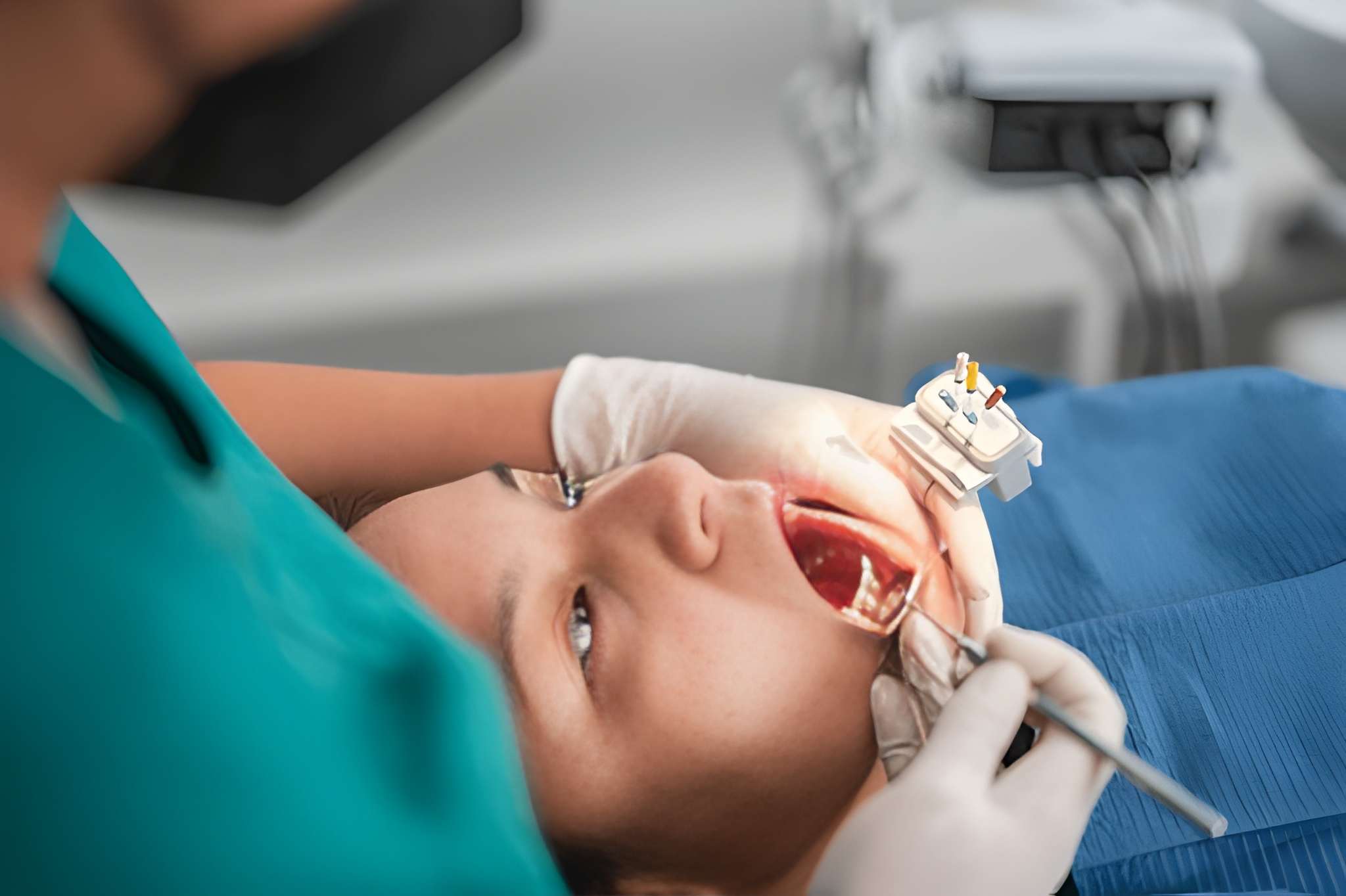
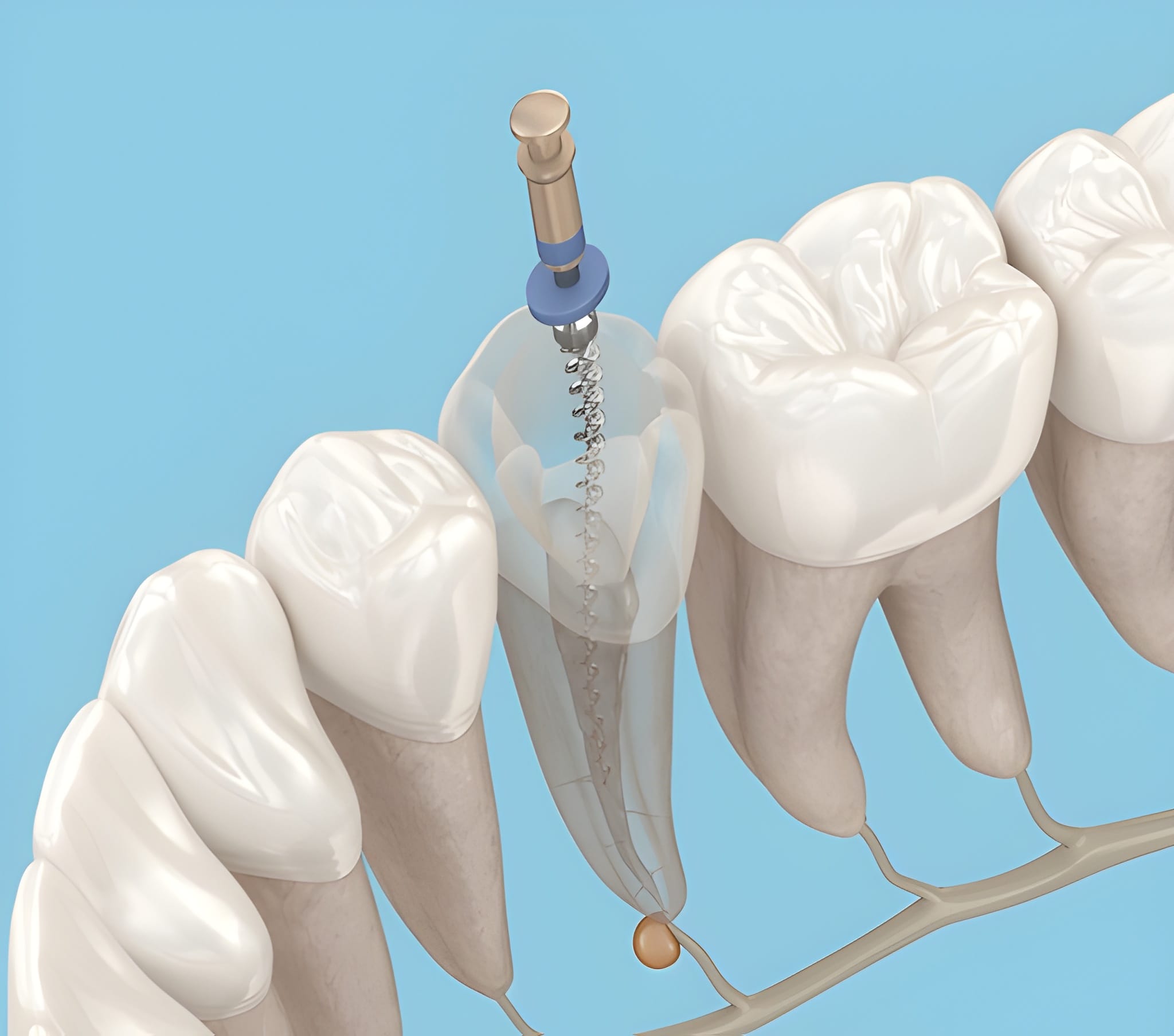
Root canal treatment removes infected or damaged pulp from inside a tooth. The canals are cleaned, filled and sealed, and the tooth is restored so it can remain in use.
How long does root canal treatment take?
It may involve one or more appointments. The tooth, number of canals and infection affect the time required. Your treating dentist can outline the appointment plan after assessing the tooth.
Does a root canal hurt?
Local anaesthetic is used for treatment, and the goal is to address the source of tooth pain. Some tenderness can follow. Tell the team if you feel discomfort during treatment or have worsening symptoms afterward.
How do I know if I need a root canal?
Lingering sensitivity, pain when biting, swelling or a damaged tooth can prompt an assessment. These symptoms do not prove that a root canal is needed; examination and appropriate imaging identify the cause.
Are root canals bad for your health?
Root canal treatment is an established way to treat an infected or damaged tooth. Claims that properly performed root canals cause cancer or general illness are not supported by scientific evidence. Ask about concerns so you can compare treatment options accurately.
What should I avoid eating after a root canal?
Wait for numbness to wear off before chewing. Avoid hard or sticky foods on a tooth with a temporary restoration, and follow the treating dentist’s instructions until the final restoration is complete.