
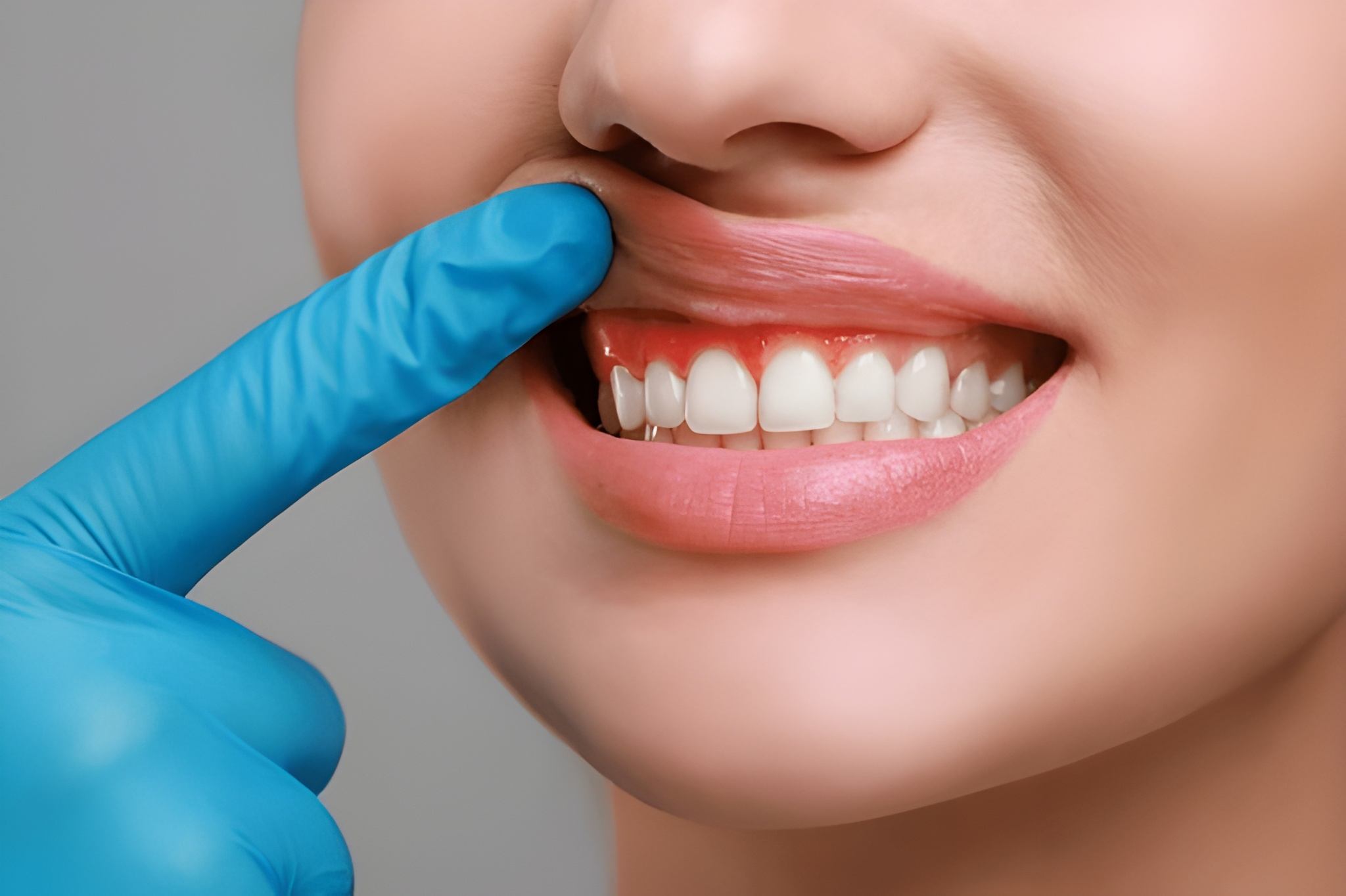
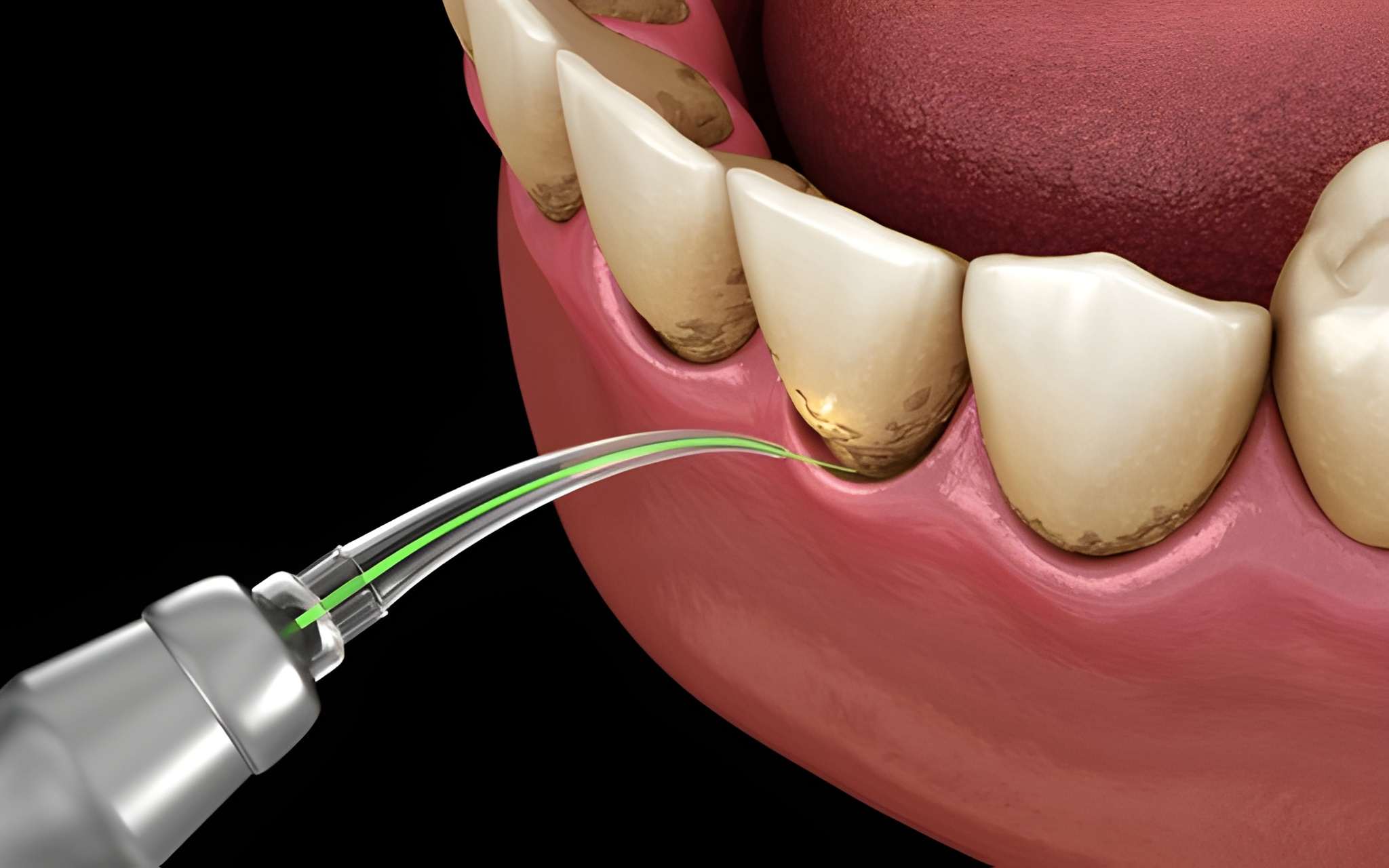
What causes gum disease?
Gum disease develops when plaque-related inflammation affects the gums and, in more advanced disease, the tissues supporting teeth. Tobacco use and some health conditions can increase risk.
Frequently Asked Questions
What causes gum disease?
Gum disease develops when plaque-related inflammation affects the gums and, in more advanced disease, the tissues supporting teeth. Tobacco use and some health conditions can increase risk.
Frequently Asked Questions
What are the risks of untreated gum disease?
Gum disease can damage the tissues and bone supporting teeth, eventually causing loose teeth or tooth loss. Early assessment helps identify treatment before more support is lost.
How can I prevent gum disease?
Brush twice daily, clean between teeth and have regular dental examinations and professional cleaning. Avoid tobacco and discuss bleeding or swollen gums promptly. Your dentist can recommend a schedule that fits your gum health.
Can gum disease be treated or reversed?
Early gum inflammation can often improve with plaque removal and good daily care. More advanced gum disease needs professional treatment and ongoing maintenance; lost supporting tissues do not simply grow back through brushing.
Can I cure gum disease at home or naturally?
Home care is essential, but it does not remove hardened deposits or replace treatment for established gum disease. Bleeding, swelling or loose teeth deserve a dental assessment rather than relying on a home remedy.
What are the signs of gum disease?
Bleeding, red or swollen gums, persistent bad breath, gum recession or loose teeth can be signs. Gum disease may also progress with little discomfort, so a dental examination is important even when pain is absent.
Can gum disease become dangerous?
Gum disease can damage the tissues supporting teeth, and a spreading dental infection can become life-threatening. Facial swelling with difficulty swallowing or breathing requires emergency medical care. Do not wait for a routine dental appointment if those symptoms occur.